Alocasia macrorrhizos ‘Stingray’ – Rare Tropical Houseplant
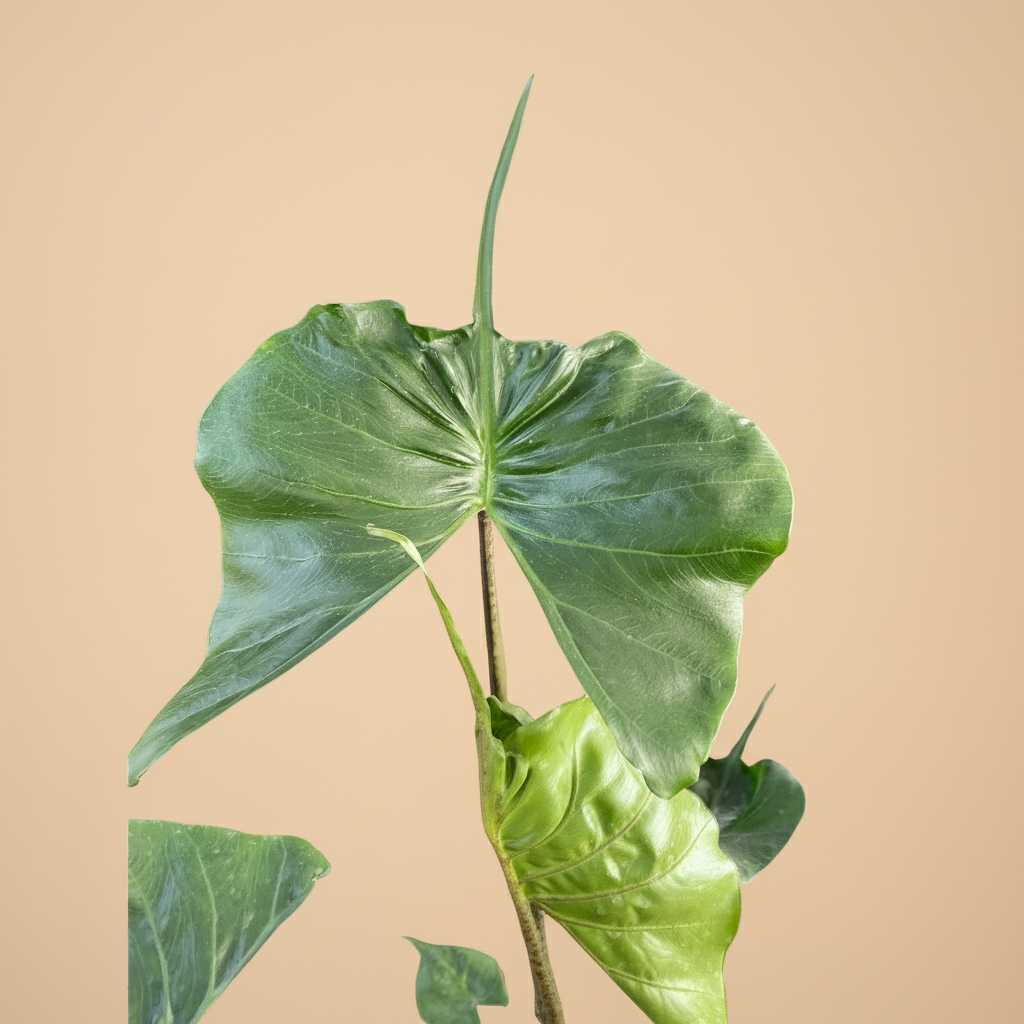
Discover the unique Alocasia macrorrhizos ‘Stingray’, a striking tropical plant known for its dramatic, stingray-shaped leaves and architectural growth. Perfect for collectors and tropical plant enthusiasts, this rare Alocasia brings a bold, modern statement to any indoor space.
Why You’ll Love Alocasia ‘Stingray’
- Distinctive Leaf Shape: Each leaf resembles a stingray or manta ray, with broad, triangular lobes and an elegant, flowing form.
- Bold Coloration: Deep green leaves with prominent veins create a sculptural, eye-catching appearance.
- Compact Growth Habit: Ideal for indoor display, plant stands, or tropical plant collections.
- Collector Favorite: Rare, unique, and highly sought-after by Alocasia enthusiasts worldwide.
Care Guide for Alocasia Macrorrhizos - Sting ray
Light
Prefers bright, indirect light. Can tolerate medium light but may produce slower growth. Avoid direct sunlight to prevent scorching.
Water
Keep the soil evenly moist, allowing the top 1–2 inches to dry between waterings. Ensure the pot has good drainage to prevent root rot.
Humidity
Thrives in moderate to high humidity (60%+). Group with other plants or use a humidifier for optimal leaf health.
Temperature
Prefers 70–85°F. Avoid cold drafts and temperatures below 60°F.
Soil
Use a well-draining, chunky aroid mix, such as:
- Potting soil with perlite
- Orchid bark and coco coir blends
- Any substrate that promotes aeration and prevents soggy roots
Fertilizer
Feed monthly during the growing season with a diluted, balanced liquid fertilizer. Reduce feeding in winter or during slower growth periods.
Growth Notes
Alocasia ‘Stingray’ is slow to moderate in growth and produces striking, architectural leaves that add tropical drama to any indoor space. Seasonal dormancy or leaf shedding is normal during cooler months.
Pet Safety
Toxic if ingested due to calcium oxalate crystals. Keep out of reach of pets and children.